



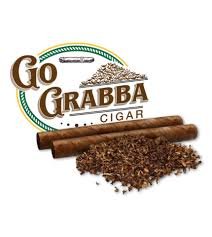
Grabba is a natural tobacco leaf product widely known in Caribbean communities and other regions for its strong aroma, bold flavor, and traditional uses. Often associated with smoking culture, herbal blends, and cultural practices, grabba has grown in popularity beyond its original geographic roots due to global trade and social media influence. Unlike processed tobacco products, grabba is typically sold as whole or shredded tobacco leaves, allowing users to prepare it according to personal preference. While many people view grabba as a traditional or natural product, it also raises important questions about health, cultural identity, and responsible consumption. This article explores what grabba is, its origins, how it is used, its cultural significance, potential health effects, legal considerations, and broader social impact.
What Is Grabba?
Grabba is essentially a type of cured tobacco leaf that is sold in its natural or semi-processed form rather than as fully manufactured cigarettes or cigars. It is known for its strong nicotine content and bold, earthy flavor, making it popular among people who prefer a more intense smoking experience. The leaves are often dried, cured, and sometimes roasted before being packaged and sold. Because it is less processed than commercial tobacco products, many users perceive grabba as more authentic or natural, though this does not necessarily make it safer. The flexibility of how grabba can be prepared and consumed has contributed to its appeal in various communities.
Origins and Cultural Background
Grabba has deep cultural roots, particularly in Caribbean countries where tobacco farming and traditional smoking practices have existed for generations. In some communities, tobacco leaves have been used not only for recreational smoking but also in ceremonial, spiritual, and social contexts. Over time, grabba became associated with cultural identity, music scenes, and social gatherings, especially among Caribbean diaspora communities in North America and Europe. Its spread into global markets reflects both migration patterns and the growing interest in traditional or alternative tobacco products. Understanding the cultural background of grabba helps explain why it is valued by certain groups beyond its practical use.
How Grabba Is Used
Grabba is typically used by shredding or breaking the tobacco leaf and mixing it with other smoking materials, such as cannabis or herbal blends. Some users prefer to roll it into papers, while others use it in pipes or wrap it around other substances. Because grabba is sold in leaf form, users have control over how much they use and how it is prepared, which adds to its popularity. However, this flexibility also means that nicotine intake can vary widely, increasing the risk of dependence. The preparation process itself has become part of the ritual for many users, reinforcing its role in social and recreational settings.
Popularity and Modern Trends
In recent years, grabba has gained wider recognition due to social media, music culture, and the influence of artists who reference it in lyrics and lifestyle branding. Younger generations have become more aware of grabba as a result of online trends, where it is often portrayed as a premium or culturally significant product. This modern popularity has contributed to increased demand, leading to expanded distribution in smoke shops and online marketplaces. While some see this trend as a celebration of cultural heritage, others express concern about how it normalizes tobacco use among youth and new users who may not fully understand its health risks.
Health Effects and Risks
Despite being marketed or perceived as a natural product, grabba carries significant health risks similar to other tobacco products. Because it contains nicotine, it can lead to addiction, increased heart rate, elevated blood pressure, and long-term cardiovascular issues. Smoking grabba also exposes users to harmful chemicals produced by burning tobacco, which can contribute to lung disease, respiratory problems, and cancer. Some users mistakenly believe that natural tobacco leaves are safer than commercial cigarettes, but scientific evidence indicates that the health risks remain serious regardless of processing level. Awareness of these risks is essential for making informed decisions about tobacco use.
Nicotine Dependence and Addiction
One of the most concerning aspects of grabba is its high nicotine content, which can lead to dependence and addiction over time. Because users often mix grabba with other substances or consume it in varying amounts, it can be difficult to track nicotine intake, increasing the risk of overuse. Addiction to nicotine can affect mental health, concentration, mood stability, and overall well-being, making it challenging for users to quit. Understanding the addictive nature of nicotine is crucial for promoting responsible behavior and supporting those who want to reduce or stop their consumption.
Legal Status and Regulation
The legal status of grabba varies depending on country and region, with some areas regulating it as a tobacco product while others treat it as an imported specialty item. Governments may impose age restrictions, taxes, and labeling requirements to limit access and promote public health. In some places, the informal sale of grabba has raised concerns about quality control, product safety, and compliance with tobacco regulations. Legal oversight plays an important role in ensuring that consumers receive accurate information and that public health standards are maintained.
Economic and Market Impact
The growing demand for grabba has created economic opportunities for farmers, distributors, and retailers involved in tobacco production and sales. In regions where tobacco farming is a source of livelihood, grabba contributes to local economies and employment. However, this economic benefit must be balanced against public health costs associated with tobacco-related illnesses. Governments and policymakers often face complex decisions when regulating tobacco markets, as they must consider both economic and health-related factors.
Social Influence and Community Identity
Beyond its commercial value, grabba holds social significance in certain communities where it is tied to music, fashion, and shared experiences. For some, it represents cultural pride and a connection to heritage, while for others it is simply a lifestyle product. This social influence can shape attitudes toward tobacco use, especially among young people who associate grabba with identity, belonging, or status. Encouraging responsible conversations about cultural traditions and health awareness can help balance respect for heritage with concern for public well-being.
Alternatives and Harm Reduction
As awareness of tobacco-related health risks grows, many individuals are exploring alternatives to traditional smoking products, including nicotine-free herbal blends, cessation programs, and harm reduction strategies. Public health campaigns aim to educate users about safer choices, quitting resources, and long-term wellness. While complete abstinence from tobacco remains the healthiest option, harm reduction approaches can help individuals gradually reduce dependence and make healthier lifestyle changes over time.
Future Outlook and Public Awareness
The future of grabba will likely depend on evolving public attitudes toward tobacco, regulatory changes, and increased health education. As more people become aware of the risks associated with nicotine and smoking, demand may shift toward safer alternatives or reduced consumption. At the same time, cultural appreciation for traditional products may continue to influence how grabba is perceived and marketed. Encouraging balanced discussions that respect cultural context while prioritizing health can help shape responsible use in the future.
Conclusion (English)
Grabba is a culturally significant tobacco product with deep historical roots, modern popularity, and complex social and health implications. While it holds value in certain communities as a traditional or lifestyle item, it also carries serious health risks due to its nicotine content and the harmful effects of smoking. Understanding the origins, uses, risks, and legal considerations surrounding grabba allows individuals to make informed decisions and promotes greater awareness about responsible consumption. By balancing cultural respect with public health education, societies can work toward healthier choices while acknowledging the traditions and identities connected to products like grabba.
FAQs (English)
What is grabba?
Grabba is a natural tobacco leaf product that is dried and used for smoking, often mixed with other substances.
Is grabba safer than cigarettes?
No, grabba still contains nicotine and harmful chemicals, making it risky for health despite being less processed.
Why is grabba popular?
Its strong flavor, cultural roots, and modern trends in music and social media have increased its popularity.
Can grabba cause addiction?
Yes, grabba contains nicotine, which can lead to dependence and addiction over time.
Are there healthier alternatives to grabba?
Yes, nicotine-free herbal blends, quitting programs, and harm reduction methods are healthier options.





Leave a Reply