



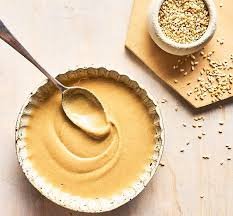
Tahhiini, often spelled as tahini, is a traditional paste made from ground sesame seeds that has been used for centuries across the Middle East, North Africa, and Mediterranean regions. Known for its rich, nutty flavor and creamy texture, Tahhiini has become a staple ingredient in numerous cuisines, ranging from savory dishes like hummus and baba ghanoush to sweet treats such as halva and desserts. Beyond its culinary versatility, Tahhiini is celebrated for its impressive nutritional profile, offering a source of healthy fats, protein, vitamins, and minerals. Its rise in popularity globally is also tied to the increasing interest in plant-based diets, natural ingredients, and functional foods that promote overall health. This article explores the history, production process, nutritional value, culinary applications, and modern uses of Tahhiini, offering a complete perspective on this ancient yet versatile ingredient.
Origins and Historical Significance
Tahhiini has roots that trace back thousands of years, with historical records indicating its use in ancient Mesopotamia, Egypt, and Persia. Sesame seeds, the core ingredient of Tahhiini, were cultivated as early as 3,000 BCE and prized for their oil content, flavor, and durability. In many cultures, Tahhiini was not only a food product but also used for medicinal purposes, valued for its health-promoting properties and energy-providing nutrients. Over time, Tahhiini became a key component of traditional dishes, particularly in Middle Eastern and Mediterranean cuisines, symbolizing both cultural identity and culinary heritage. Today, its historical significance contributes to its reputation as a wholesome and authentic ingredient in global gastronomy.
Production Process of Tahhiini
The production of Tahhiini involves a meticulous process that begins with the selection of high-quality sesame seeds. These seeds are first cleaned, roasted to enhance their natural flavor, and then ground into a smooth, creamy paste. Depending on the type of Tahhiini, variations may exist in roasting intensity, seed type (hulled or unhulled), and oil content. The paste can be made purely from sesame seeds or combined with other ingredients like olive oil to achieve desired consistency and flavor. Modern production methods include mechanical grinding and cold-press techniques that preserve the natural nutrients while maintaining the rich taste. Artisanal Tahhiini often emphasizes minimal processing, highlighting authenticity and traditional craftsmanship.
Nutritional Profile and Health Benefits
Tahhiini is highly regarded for its dense nutritional profile. Rich in unsaturated fats, it promotes heart health by supporting healthy cholesterol levels and providing essential fatty acids. It is also an excellent plant-based source of protein, making it valuable for vegetarians and vegans. Tahhiini contains vitamins such as B1, B2, and E, as well as minerals like magnesium, calcium, iron, and phosphorus, which contribute to bone health, energy production, and overall vitality. Additionally, its antioxidant content supports cellular protection and reduces oxidative stress. Regular consumption of Tahhiini has been linked to improved cardiovascular health, better digestive function due to dietary fiber, and enhanced energy levels, making it a functional and nutrient-dense ingredient for modern diets.
Culinary Applications of Tahhiini
Tahhiini’s versatility makes it a fundamental component in a wide range of culinary applications. In savory dishes, it serves as a base for dips like hummus and baba ghanoush, sauces for salads or grilled meats, and spreads for sandwiches and wraps. In sweet preparations, Tahhiini contributes to desserts such as halva, cookies, and cakes, offering a nutty flavor that complements chocolate, honey, and fruits. Its creamy texture allows it to be blended into dressings, smoothies, and beverages, adding richness and nutritional value. Tahhiini’s ability to adapt to both sweet and savory contexts demonstrates its culinary flexibility and highlights why it has remained a popular ingredient across diverse cuisines.
Global Popularity and Modern Trends
The global popularity of Tahhiini has surged in recent years, driven by increased awareness of plant-based diets, clean eating, and functional foods. Health-conscious consumers appreciate its natural composition, nutrient density, and versatility in recipes. Modern food trends have also embraced Tahhiini as a key ingredient in fusion cuisine, vegan recipes, and protein-rich snacks. Its use has expanded from traditional dishes to contemporary cooking styles, including smoothies, energy bars, salad dressings, and gourmet sauces. Social media and food bloggers have further popularized Tahhiini, showcasing innovative ways to incorporate it into daily meals, making it accessible to audiences far beyond its traditional geographic origins.
Storage and Shelf Life Considerations
Proper storage of Tahhiini is essential to maintain its flavor, texture, and nutritional value. The paste should be stored in airtight containers in a cool, dry place away from direct sunlight. Refrigeration can prolong its shelf life and prevent separation or rancidity, although some prefer to keep it at room temperature for easier use. Natural separation of oil from the paste is normal and can be remedied by stirring before use. Awareness of storage practices ensures that Tahhiini remains fresh, flavorful, and safe for consumption, preserving both its culinary and nutritional qualities.
Challenges and Considerations
While Tahhiini is widely appreciated, there are certain considerations for consumers. Its high-calorie content means it should be consumed in moderation, particularly for individuals monitoring weight or fat intake. Allergies to sesame seeds, though not common, can pose a significant risk, and users must exercise caution. Additionally, quality can vary significantly depending on the production method, seed source, and processing techniques, with some commercial products containing additives, preservatives, or excessive oil. Educating consumers on selecting authentic, high-quality Tahhiini helps maximize its benefits while minimizing potential drawbacks.
Future Prospects and Innovations
Tahhiini’s future in global cuisine looks promising, with innovations in production, flavors, and applications continuing to expand. Artisanal and organic variations are gaining traction among health-conscious consumers, while flavored Tahhiini blends with cocoa, vanilla, or spices offer new culinary possibilities. The rise of veganism, clean eating, and international fusion cuisine ensures ongoing demand for versatile ingredients like Tahhiini. Technological improvements in processing and packaging also allow for longer shelf life, enhanced nutritional preservation, and more sustainable production practices. These trends indicate that Tahhiini will remain an influential ingredient in both traditional and contemporary culinary contexts.
Conclusion
Tahhiini is much more than a simple sesame paste; it is a nutrient-rich, culturally significant, and versatile ingredient that has been enjoyed for centuries. Its rich history, impressive nutritional profile, and culinary adaptability make it a staple in kitchens worldwide. While challenges such as calorie content, allergies, and quality variability exist, the benefits of incorporating Tahhiini into daily diets are substantial. As global interest in plant-based foods, functional ingredients, and authentic culinary experiences grows, Tahhiini’s relevance and popularity are poised to expand further, bridging traditional flavors with modern dietary trends.
FAQs
What is Tahhiini?
Tahhiini is a paste made from ground sesame seeds, commonly used in Middle Eastern, Mediterranean, and North African cuisine.
Is Tahhiini healthy?
Yes, it is rich in healthy fats, protein, vitamins, and minerals, offering numerous health benefits such as supporting heart and bone health.
How can I use Tahhiini in cooking?
It can be used in savory dishes like hummus, sauces, and dressings, as well as in sweet treats like halva, cookies, and desserts.
How should Tahhiini be stored?
Tahhiini should be stored in an airtight container, in a cool, dry place or refrigerated to prolong freshness and prevent oil separation.
Are there any precautions with Tahhiini?
Individuals with sesame allergies should avoid it, and it should be consumed in moderation due to its high-calorie content.





Leave a Reply